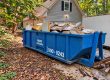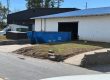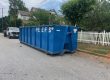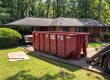
A 30-yard dumpster can look like a lot of container — and sometimes it is. But for a major renovation, new construction project, whole-house cleanout or busy jobsite, choosing a 30-yard dumpster can save time, reduce interruptions and keep debris from taking over the property.
The question is not simply, “Can I fill a 30-yard dumpster?” The better question is, “Will my project create enough bulky or high-volume debris that a smaller container could mean extra swaps, a second rental or a jobsite that gets cluttered before the work is finished?”
Peeps Containers offers 15-, 20- and 30-yard roll-off dumpsters throughout Atlanta and South Atlanta. For customers considering the largest size, this guide explains when a 30-yard container makes sense — and when it may be more dumpster than you actually need.
How Big Is a 30-Yard Dumpster?
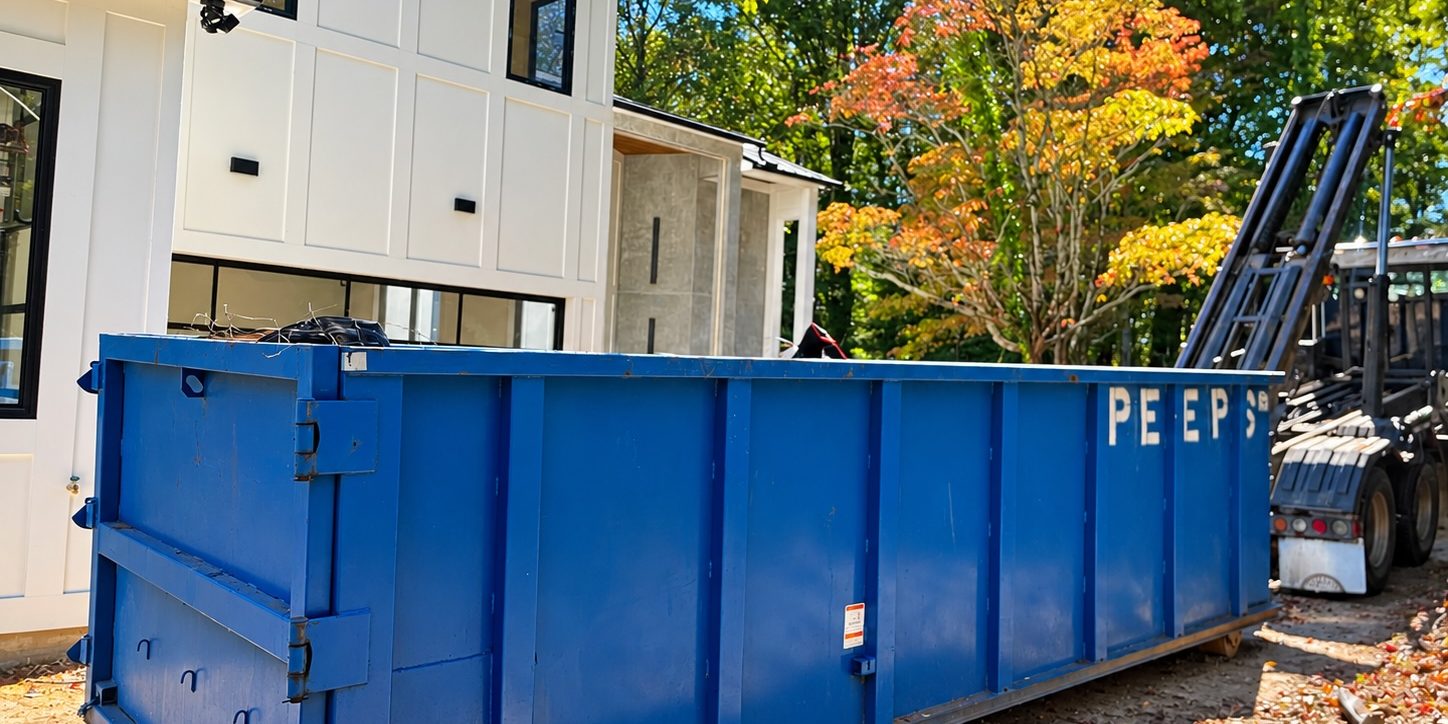
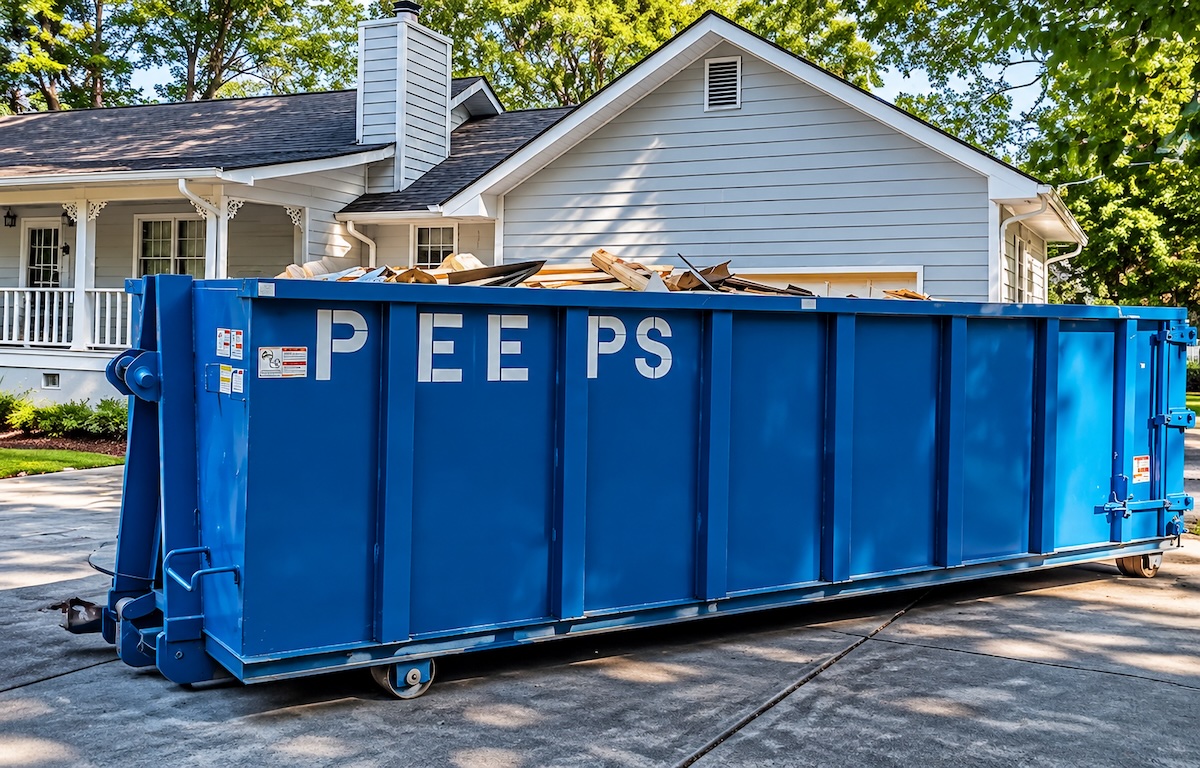
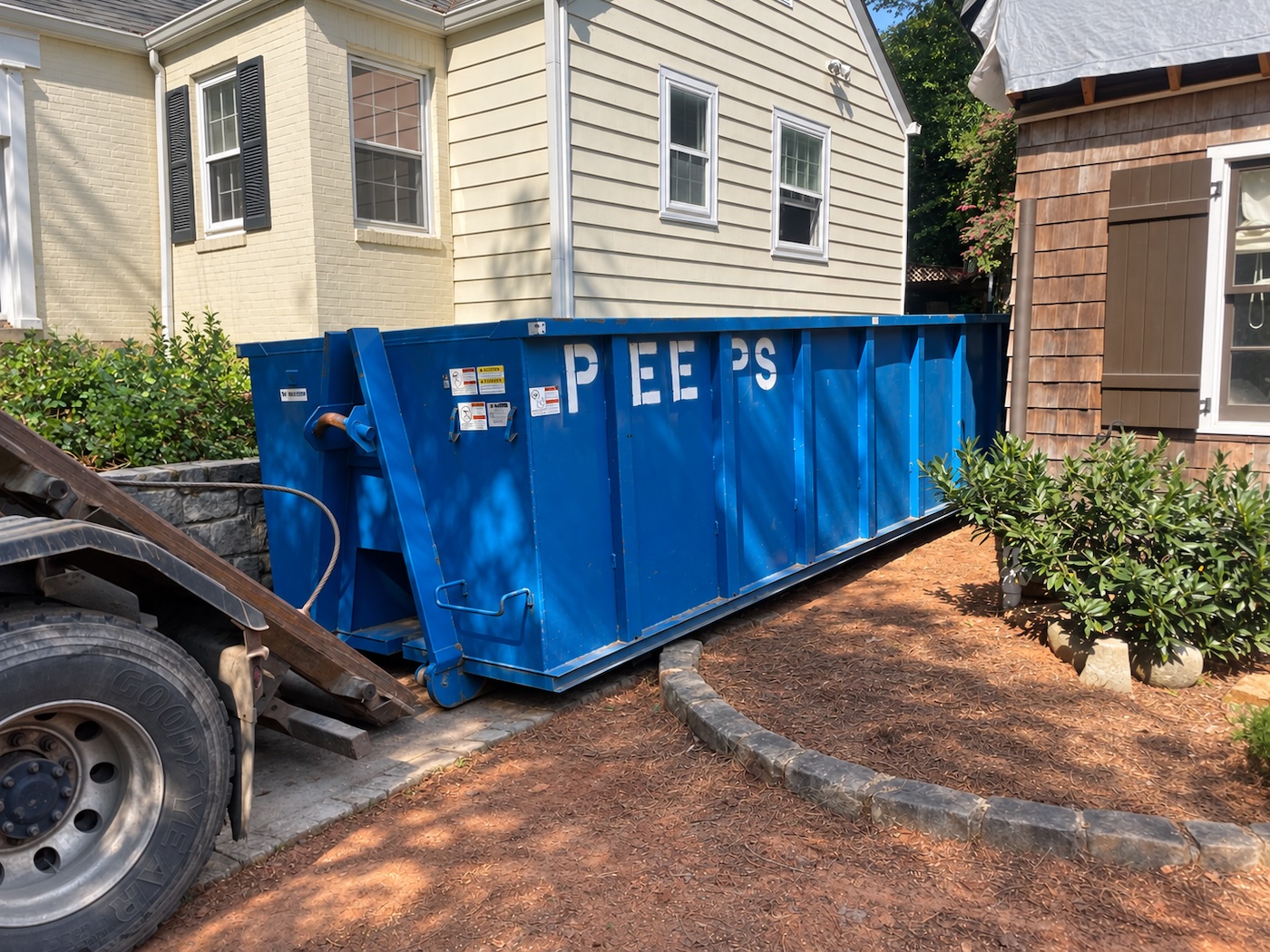
Peeps Containers’ 30-yard roll-off is approximately 22 feet long, 8 feet wide and 5 feet 2 inches deep. It is the largest size in the Peeps lineup and is designed for projects that create a substantial volume of debris.
Thirty cubic yards is roughly equivalent to 9–12 pickup-truck loads of material. That does not mean every project that looks extensive automatically needs a 30-yard container, but it gives useful perspective: this size is built for projects where debris accumulates quickly.
When a 30-Yard Dumpster Is Usually the Right Choice
A 30-yard dumpster is most useful when the project involves extensive work and produces plenty of debris. That is common with major renovations, new construction, demolition, estate cleanouts and other projects where bulky material can fill a smaller container faster than expected.
1. Major Home Renovations
A kitchen refresh and a full-house renovation are very different dumpster jobs. When multiple rooms are being gutted, cabinets, drywall, flooring, fixtures, trim and packaging can add up quickly. A 30-yard dumpster gives crews more room to keep debris contained without stopping work because the container filled too soon.
Peeps has placed 30-yard containers on residential renovation projects in Atlanta neighborhoods such as Morningside. The key is not simply the size of the house. It is the amount and type of material being removed.
2. New Construction and Ongoing Jobsite Cleanup
New construction creates a steady stream of lumber scraps, drywall, packaging, cutoffs and other jobsite debris. A 30-yard roll-off can be a good fit when the site has enough placement space and the project is producing debris across multiple phases.
For builders and contractors, fewer interruptions can matter just as much as capacity. A 30-yard container can help keep debris in one designated place instead of allowing piles to spread around an active site.
3. Whole-House Cleanouts and Estate Projects
Clearing out a home can fill a dumpster differently from construction debris. Furniture, boxes, rugs and bulky household items may not be especially heavy, but they take up space fast. For a whole-house cleanout or estate project, a 30-yard container can make sense when the volume is clearly beyond a typical garage or single-room cleanout.
4. Some Roofing Projects — But Watch the Weight
A 30-yard container can provide useful volume on a roof replacement that produces a substantial volume of shingles, and Peeps has used 30-yard containers on roofing projects in the Atlanta area, including McDonough. But roofing shingles are heavy. With dense debris, the weight allowance may become the limiting factor before the dumpster looks full.
That is why the biggest container is not automatically the best roofing choice. Before ordering, tell Peeps what material you are removing and the approximate project size so the container and weight allowance can be matched to the job.
For more detail on contractor and jobsite use, see Peeps Containers’ Construction Dumpster Rental in Atlanta page.
When a 20-Yard Dumpster May Be the Better Choice
Bigger is not automatically better. If the project is a single-room renovation, a typical roof replacement, a moderate cleanout or a job with limited placement space, a 20-yard dumpster may be the more practical choice.
The 20-yard is Peeps Containers’ most popular size because it offers substantial capacity without the longer footprint of the 30-yard. Choosing correctly at the start is better than paying for unused space — or choosing too small and needing another haul.
Think About Placement Before You Order
The 30-yard dumpster is approximately 22 feet long, so placement deserves more thought than with a smaller container. The delivery truck also needs enough room to approach, set the container down and exit safely.
Before delivery, look at driveway length, gates, parked vehicles, overhead wires, tree limbs and other obstacles. If space is tight, call or text Peeps before booking so the team can help determine whether a 30-yard container is realistic for the property.
Volume and Weight Are Not the Same Thing
This is one of the most important things to understand about dumpster sizing. A container can have plenty of open space and still reach its weight allowance if it is being filled with dense material.
Peeps Containers’ current 30-yard pricing starts at $525 for up to seven days. For construction debris, the 30-yard includes 4 tons. For non-construction debris such as household junk and furniture, it includes 2.5 tons. Additional weight is currently $75 per ton.
If you are disposing of especially heavy material, contact Peeps before loading. The team can help you choose the size and loading plan that makes sense for the debris, not just the visual volume.
See the current Dumpster Rental Pricing page for pricing, included tonnage and current disposal fees.
A Quick 30-Yard Dumpster Decision Check
A 30-yard dumpster may be the right choice if:
- You are renovating multiple rooms or completing a major home remodel.
- You are building a new home or managing construction across multiple phases.
- Your debris is bulky and likely to take up space quickly.
- You are handling a whole-house or estate cleanout.
- You have adequate driveway or jobsite space for a 22-foot container.
- Avoiding an extra swap or second rental is important to the project schedule.
A smaller container may be a better fit if the project is limited in scope, the site is tight, or the debris is very heavy relative to its volume.

Not Sure Which Dumpster Size You Need?
Compare all three options in the Dumpster Size Guide, or review the full 30-Yard Dumpster Rental in Atlanta service page for dimensions and common uses.
Before loading, check What Can Go in a Dumpster for accepted and restricted materials.
Frequently Asked Questions
How much does a 30-yard dumpster cost in Atlanta?
Peeps Containers’ current 30-yard dumpster price starts at $525 for up to seven days. Construction debris includes up to 4 tons, while non-construction debris includes up to 2.5 tons. Additional weight is currently $75 per ton.
How big is a 30-yard dumpster?
The Peeps Containers 30-yard dumpster is approximately 22 feet long, 8 feet wide and 5 feet 2 inches deep.
What projects are best for a 30-yard dumpster?
A 30-yard dumpster is commonly used for major renovations, new construction, demolition, whole-house or estate cleanouts, and other projects that create a high volume of debris.
Is a 30-yard dumpster too big for a residential driveway?
Not necessarily. Many residential properties can accommodate a 30-yard container, but its 22-foot length and the truck’s delivery space need to be considered. Contact Peeps if you are unsure about access or placement.
Should I use a 30-yard dumpster for roofing shingles?
It depends on the size of the roof and the weight of the shingles. Roofing debris is dense, so weight limits can matter before the container is physically full. Peeps can help match the dumpster size to the roofing job.
Reserve a 30-Yard Dumpster in Atlanta
If you are planning a major renovation, construction project, estate cleanout or other job that produces bulky debris, Peeps Containers can help you decide whether the 30-yard is the right fit.
Call or text 770-900-0243 or reserve your dumpster online.
Peeps Containers
Neighbors helping neighbors since 2005.